
Humans have an innate tendency to categorize the world around them, organizing information into meaningful groups that allow for easier understanding and quicker recall. This natural inclination extends to digital environments, where logical categories can significantly enhance discovery, comprehension, and user satisfaction. By structuring information based on shared characteristics, relationships, or functions, users are able to navigate complex systems efficiently, finding what they seek with minimal effort and maximal clarity. Logical categorization reduces cognitive load, enabling individuals to process information in digestible chunks rather than overwhelming, unstructured collections. When users encounter a system where content is thoughtfully grouped, they feel a sense of coherence and predictability, which in turn fosters confidence and encourages exploration.
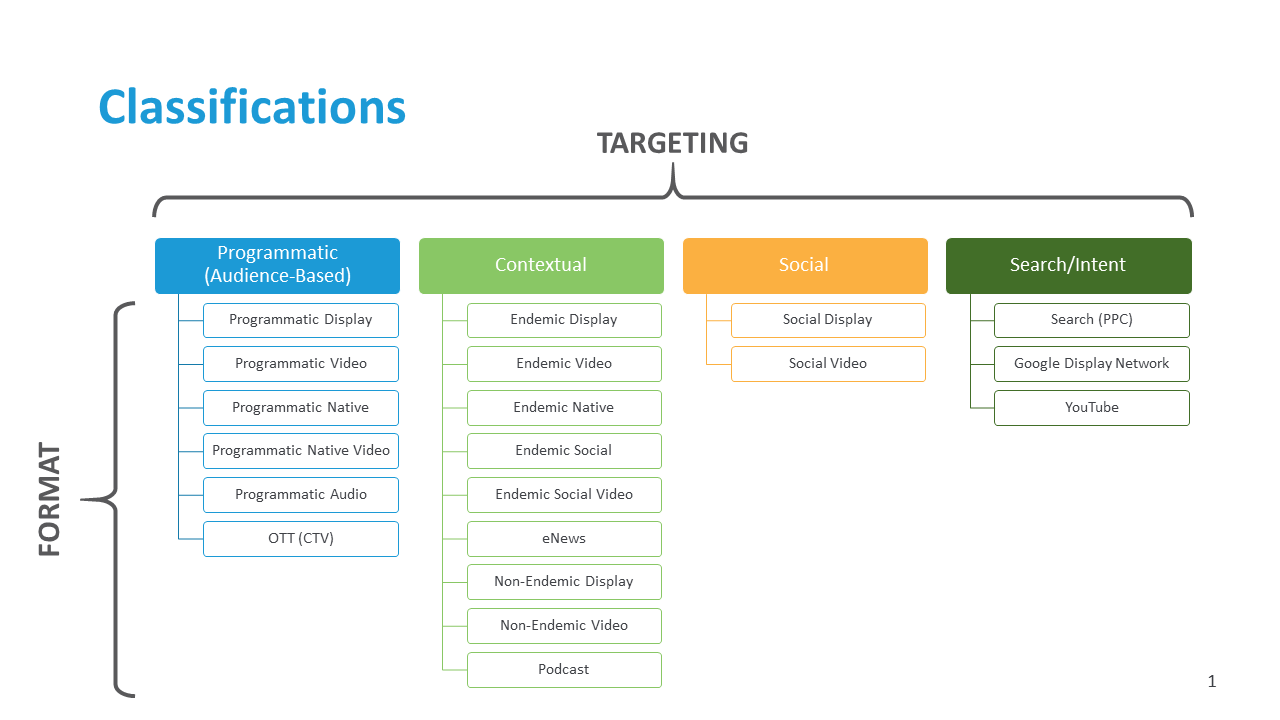
One of the primary benefits of logical categories is that they guide users through information hierarchies with a sense of purpose. When items are grouped according to clear criteria—such as topic, function, or format—users can anticipate where relevant information might reside. This expectation reduces trial-and-error navigation and minimizes frustration. For example, in a library or online database, books or resources organized by subject, genre, or author allow a person to intuitively follow paths that lead to relevant materials. The mental framework provided by categories functions as a map, orienting users and reducing the time they spend searching. Over time, this fosters a deeper engagement with the content, as users spend more energy exploring ideas rather than deciphering structure.
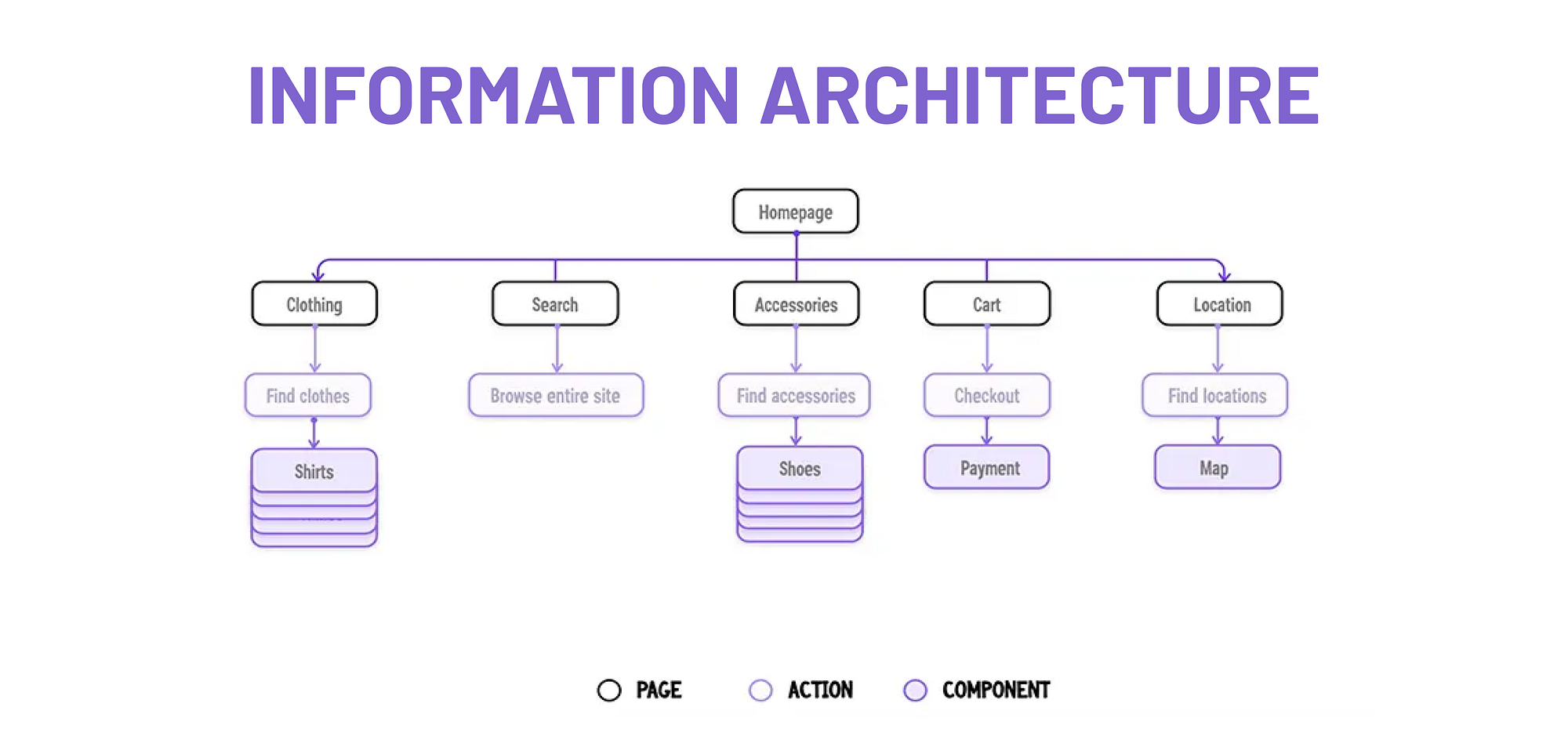
Logical categorization also enhances discovery by making connections between related items more apparent. When similar items are grouped together, users can identify patterns, trends, or commonalities that they might otherwise overlook. This associative effect encourages serendipitous discovery: a person searching for one piece of information may encounter other relevant items simply because of the organizational logic that places them nearby. In digital retail, for instance, product categories and subcategories not only streamline shopping but also increase the likelihood of discovering complementary or alternative items. A user browsing “home office furniture” may notice ergonomic chairs, standing desks, or lighting solutions that they might not have explicitly searched for, enriching their overall experience.
Beyond aiding navigation and discovery, logical categories support learning and retention. By presenting information in structured groups, systems leverage the way the human brain naturally stores and retrieves knowledge. Memory is reinforced when items are mentally linked by shared features, as opposed to being scattered randomly. This principle applies across various domains: students learning complex scientific concepts can benefit from content organized by discipline, subtopic, or experimental method; software users can grasp tool functionalities more readily when features are grouped by type or workflow stage. In all cases, the clarity offered by categories reduces confusion, improves comprehension, and accelerates skill acquisition.
Furthermore, logical categorization enhances personalization and recommendation systems. When items are consistently categorized, algorithms can more effectively analyze user behavior, preferences, and patterns to provide tailored suggestions. This creates a feedback loop that improves both discovery and satisfaction: users receive content that aligns with their interests, and the system gathers more accurate data to refine future recommendations. Streaming platforms, e-commerce sites, and digital learning environments all exploit this principle, showing how robust categorization underpins personalized experiences that feel intuitive rather than imposed.
A well-implemented categorization system also has the advantage of scalability. As collections grow, logical categories allow for manageable expansion without creating chaos. New items can be integrated seamlessly into existing groups, maintaining navigational coherence and ensuring that the discovery process remains smooth. Without categories, even small increases in content can result in confusion and diminished usability, as users struggle to locate relevant items amidst unstructured volumes. Categories act as anchors, providing continuity as the system evolves.
Accessibility is another critical dimension influenced by logical categorization. For users with varying cognitive, visual, or motor abilities, structured groupings simplify interaction. Clear labels, hierarchical organization, and consistent logic reduce the barriers to accessing content, enabling a wider audience to discover information efficiently. In many digital environments, categories paired with visual cues or assistive technology integration can dramatically enhance the inclusivity of the system. A thoughtfully categorized interface ensures that discovery is not limited to a subset of users but is equitable and user-friendly.
In addition to improving functional outcomes, logical categories influence the perception of credibility and professionalism. Systems that demonstrate order and intentional design signal reliability, which can increase user trust. Whether navigating a news archive, a technical knowledge base, or a commercial website, users tend to view well-organized systems as more authoritative. Conversely, disorganized systems can appear careless or untrustworthy, regardless of the quality of the underlying content. By clearly communicating relationships and hierarchies, logical categorization reinforces both usability and confidence.
The psychological impact of categories extends to motivation and engagement. When users can quickly locate desired items and explore related content with minimal friction, they experience a sense of achievement and control. This positive reinforcement encourages repeated interaction and deeper exploration. In contrast, systems that lack structure often lead to frustration, abandonment, or superficial engagement. By aligning design with the human preference for order and pattern recognition, logical categories facilitate a smoother, more rewarding journey through information landscapes.
In summary, logical categories are far more than a simple organizational tool; they are a fundamental mechanism for improving discovery, comprehension, and user satisfaction. They reduce cognitive load, reveal connections between items, enhance learning, support personalization, scale efficiently, improve accessibility, and foster trust. By leveraging natural human tendencies to group and interpret information, designers and content managers can create systems that feel intuitive, navigable, and engaging. Users are empowered to find what they need, uncover what they did not expect, and explore with confidence, making logical categorization a cornerstone of effective information design and discovery experiences.


Leave a Reply